
Pregnancy is one of the most life-changing experiences a woman can have. It brings joy, anticipation, and sometimes worry. Have you ever wondered how to keep yourself and your baby safe and healthy during these nine months?
Think of pregnancy as a delicate garden. Every choice you make—from nutrition to rest—affects how your little seed grows and thrives. This guide will take you through essential pregnancy tips, practical advice, and expert insights to support your journey from conception to delivery.
1. Understanding Pregnancy
Pregnancy occurs when a fertilized egg attaches to the uterus and begins developing. This process triggers hormonal changes that affect nearly every system in the body.
Your body is like a well-tuned machine. When hormones shift, you may experience nausea, fatigue, mood swings, and food cravings. Understanding these changes helps you prepare physically and emotionally for the months ahead.
Pros: Awareness reduces anxiety and allows early care.
Cons: Ignoring early signs may lead to complications.
2. Early Signs of Pregnancy
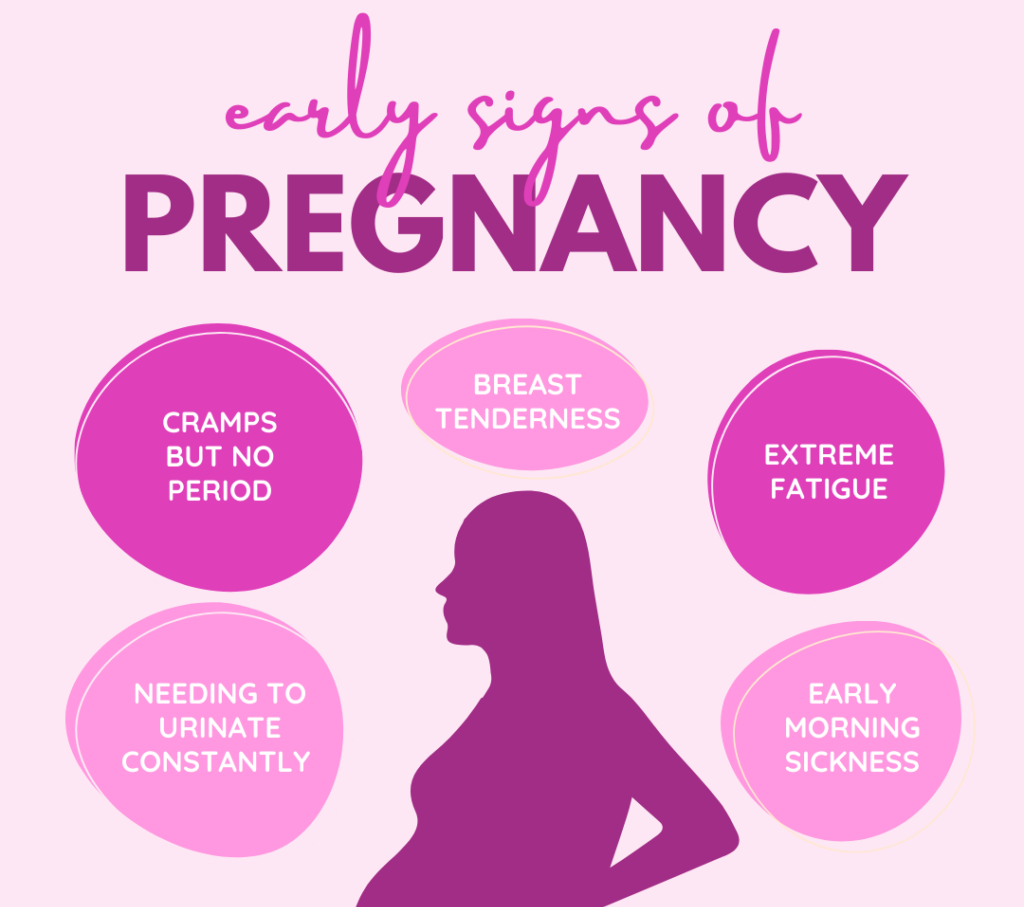
Recognizing pregnancy early is key to proper care. Common signs include:
- Missed periods
- Nausea or morning sickness
- Fatigue and frequent urination
- Breast tenderness and swelling
- Mood changes
Early detection allows you to begin prenatal care and make lifestyle adjustments that benefit both you and your baby.
3. Importance of Prenatal Care
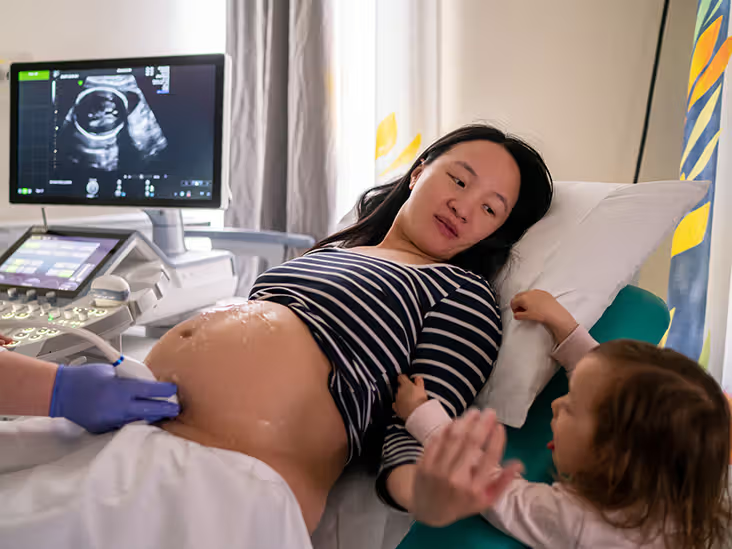
Prenatal care is your roadmap to a healthy pregnancy. Regular checkups help monitor your baby’s growth, detect complications, and provide expert guidance.
Tips for prenatal care:
- Schedule visits with your healthcare provider early.
- Keep track of your weight, blood pressure, and baby’s movements.
- Take recommended prenatal vitamins, especially folic acid.
Prenatal care is like regular maintenance for a car. Without it, small issues can become major problems.
4. Nutrition During Pregnancy

Proper nutrition fuels your baby’s growth and supports your body.
Key nutrients include:
- Folic acid: Prevents neural tube defects. Found in leafy greens, beans, and fortified cereals.
- Iron: Supports blood volume. Sources: red meat, spinach, lentils.
- Calcium: Builds strong bones. Sources: dairy, fortified plant milks, tofu.
- Protein: Supports tissue growth. Sources: eggs, poultry, beans, nuts.
- Omega-3 fatty acids: Boost brain development. Sources: fatty fish, chia seeds, flaxseeds.
Practical Tips:
- Eat small, frequent meals to reduce nausea.
- Stay hydrated and avoid sugary or processed foods.
- Limit caffeine and avoid alcohol entirely.
Pros: Proper nutrition supports healthy birth weight and reduces complications.
Cons: Poor diet may lead to anemia, low birth weight, or developmental issues.
5. Exercise and Physical Activity
Moderate exercise benefits both mother and baby. It improves circulation, reduces stress, and helps manage weight.
Recommended activities:
- Walking
- Swimming
- Prenatal yoga
- Light strength training
Tips: Always consult your healthcare provider before starting exercise, and avoid high-impact or risky sports.
Pros: Boosts mood, energy, and muscle tone.
Cons: Overexertion can cause injury or preterm labor.
6. Common Pregnancy Discomforts and How to Manage Them
Pregnancy often brings discomforts such as:
- Morning sickness
- Back pain
- Heartburn
- Swelling in feet and hands
Practical strategies:
- Eat smaller, frequent meals to reduce nausea.
- Use a pregnancy pillow or proper posture to ease back pain.
- Elevate feet to reduce swelling.
- Wear comfortable shoes and stay hydrated.
Remember, these discomforts are normal but consult your doctor if symptoms are severe.
7. Warning Signs During Pregnancy
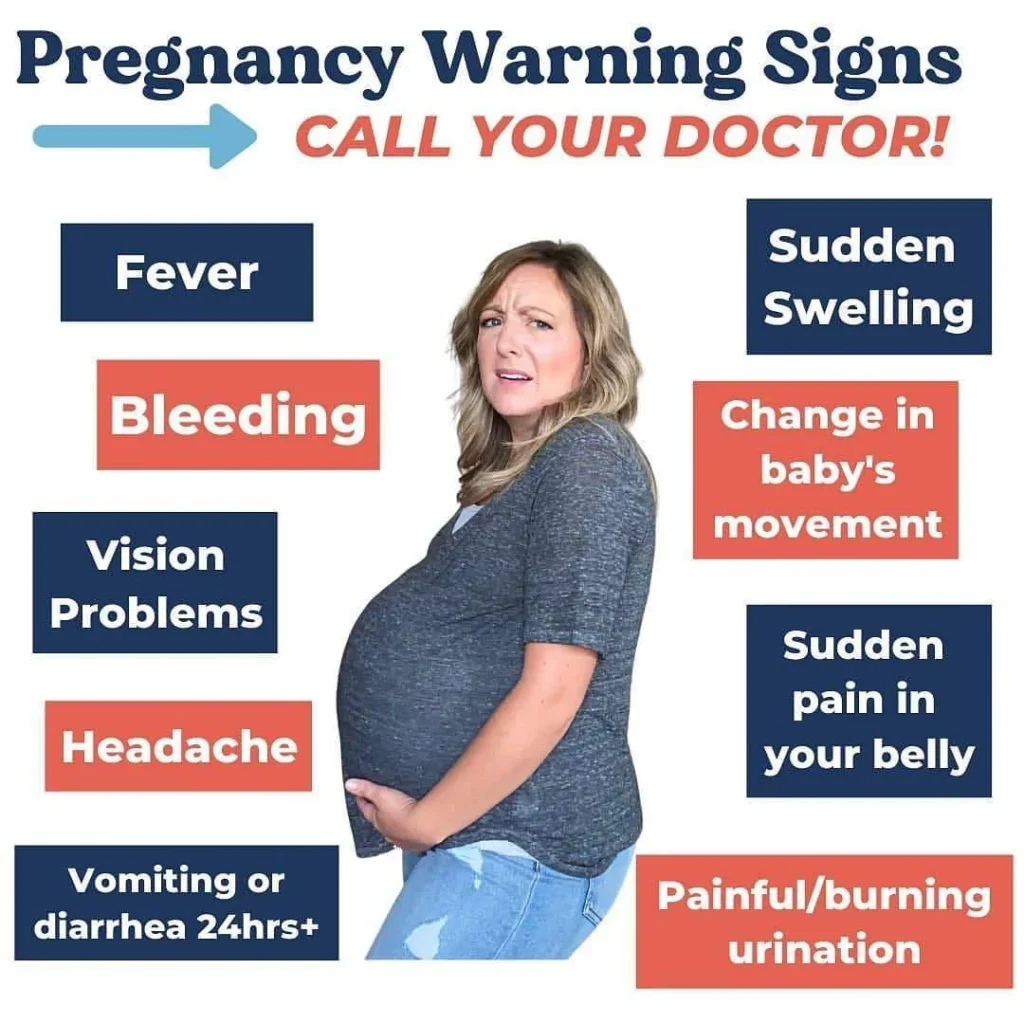
While most pregnancies progress normally, some signs require immediate medical attention:
- Severe abdominal pain or cramping
- Vaginal bleeding
- Sudden swelling of face, hands, or legs
- Severe headache or vision changes
- Decreased fetal movement
Acting quickly can prevent complications and protect your baby.
8. Preparing for Labor and Delivery
Preparation helps reduce fear and anxiety. Consider:
- Attending prenatal classes
- Creating a birth plan
- Packing a hospital bag early
- Discussing pain management options with your healthcare provider
Think of labor as the final exam after months of study—preparation increases confidence and improves outcomes.
9. Mental Health and Emotional Wellbeing
Pregnancy affects emotions. Mood swings, anxiety, and stress are common.
Tips to support mental health:
- Practice mindfulness or meditation
- Stay connected with supportive friends and family
- Talk to a counselor if anxiety or depression is severe
- Get adequate rest and practice self-care
Your emotional wellbeing is as important as your physical health for a safe and happy pregnancy.
10. Postpartum Planning
Planning for after delivery ensures smooth recovery. Focus on:
- Nutrition and hydration for breastfeeding
- Gentle exercise to regain strength
- Monitoring for postpartum depression
- Support from family and healthcare providers
The postpartum period is like tending a garden after planting. Careful attention ensures long-term growth and health.
11. Expert Insights
Doctors and midwives emphasize:
- Consistency in prenatal visits
- Balanced nutrition and adequate hydration
- Avoiding risky substances like alcohol and tobacco
- Listening to your body and asking questions
Following expert advice significantly reduces risks and improves outcomes for both mother and baby.
12. Final Thoughts
Pregnancy is a remarkable journey that combines excitement, anticipation, and responsibility. Awareness, preparation, and healthy habits support both your health and your baby’s development.
Your choices today shape your baby’s tomorrow.
Embrace a healthy pregnancy today.