


Have you ever felt tired, sluggish, or low on energy despite eating regularly? Often, the problem isn’t how much you eat, but what you eat. Nutrition is like fuel for your body. Poor quality fuel makes your engine sluggish, while the right nutrients help it run smoothly.
Good nutrition affects your energy, mood, immunity, and long-term health. This guide will break down essential nutrition tips and practical strategies to help you eat smarter and live healthier.
1. Understanding Nutrition Basics
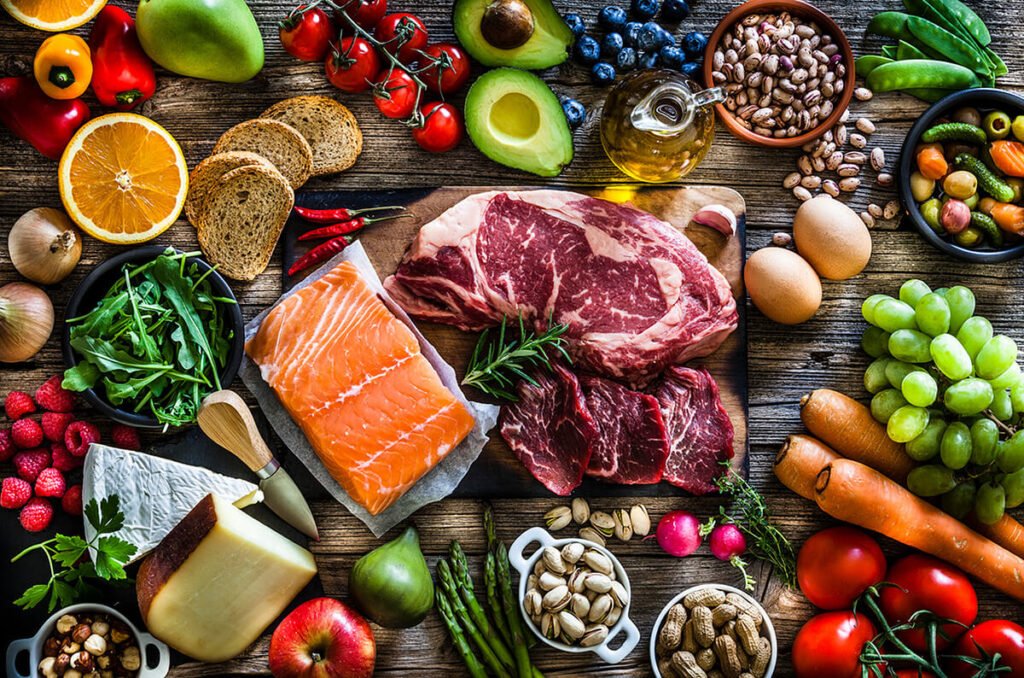
Nutrition is the process of providing your body with the right food to grow, repair, and function properly. Think of it as building a house: you need strong bricks, cement, and support beams. Without them, the structure weakens.
There are six main nutrients your body needs:
- Carbohydrates – Provide energy for daily activities. Found in grains, fruits, and vegetables.
- Proteins – Help repair tissues and build muscles. Found in meat, eggs, beans, and dairy.
- Fats – Support brain function and cell growth. Healthy fats are in nuts, seeds, and fish.
- Vitamins – Regulate body processes and immunity. Fruits and vegetables are rich sources.
- Minerals – Essential for bones, nerves, and muscles. Sources include dairy, meat, and leafy greens.
- Water – Keeps every system running smoothly and aids digestion.
Pros: Provides energy, supports growth, and maintains health.
Cons: Poor nutrition can cause fatigue, illness, and long-term disease.
2. The Role of Balanced Diet
A balanced diet means getting the right amounts of nutrients from all food groups. Imagine your plate as a colorful palette: the more variety, the healthier the outcome.
Practical Tips:
- Fill half your plate with fruits and vegetables.
- Include lean protein and whole grains.
- Use healthy fats like olive oil or avocado in moderation.
Example: Breakfast could be oatmeal topped with berries and a boiled egg. This combination provides carbs, protein, vitamins, and minerals.
Pros: Keeps energy stable, supports metabolism, and reduces risk of disease.
Cons: It may take time to learn portion sizes and variety.
3. Importance of Hydration
Water is the unsung hero of nutrition. Every cell depends on it, and dehydration affects energy, focus, and digestion.
Tips to Stay Hydrated:
- Drink 8–10 glasses daily, more if active or in hot weather.
- Include water-rich foods like cucumbers, watermelon, and oranges.
- Limit sugary drinks and excessive caffeine.
Think of water as the oil that keeps your engine running smoothly.
4. Nutrition for Energy and Immunity
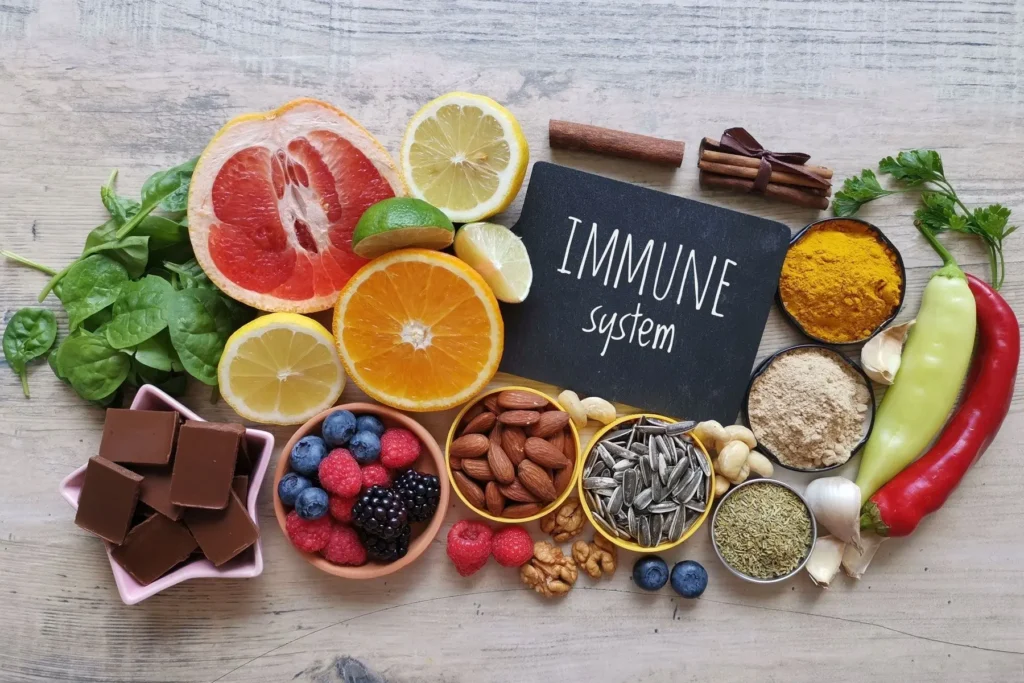
The right foods keep your energy high and immunity strong. Vitamins C and E, zinc, and protein-rich foods help your body fight infections.
Examples:
- Citrus fruits for Vitamin C
- Almonds for Vitamin E
- Eggs and legumes for protein
Skipping meals or relying on junk food is like running a car without fuel—it slows down performance and makes you more prone to illness.
5. Healthy Eating Habits
Good nutrition is not just about what you eat but also how you eat.
Tips:
- Eat smaller, frequent meals to maintain energy.
- Avoid eating late at night.
- Chew slowly to aid digestion and enjoy food.
Expert Insight: Mindful eating improves nutrient absorption and prevents overeating.
6. Pros and Cons of Popular Diets
Different diets work for different people, but it’s important to weigh pros and cons.
Examples:
- Mediterranean Diet – Pros: heart healthy, nutrient-rich; Cons: can be costly.
- Low-Carb Diet – Pros: weight loss; Cons: may lack fiber if not balanced.
- Vegan Diet – Pros: high in vitamins and fiber; Cons: may need supplements for B12 and iron.
Choosing the right plan should match lifestyle, health goals, and medical advice.
7. Tips to Make Nutrition Simple
Practical nutrition doesn’t have to be complicated. Small, consistent steps matter most.
Tips:
- Plan meals ahead to avoid unhealthy choices.
- Swap refined grains for whole grains.
- Include a fruit or vegetable in every meal.
- Limit processed and fast foods.
Consistency beats perfection. Even gradual improvements lead to long-term health benefits.
8. Nutrition and Mental Health
Your brain thrives on proper nutrients. Omega-3 fatty acids, vitamins, and minerals improve mood, focus, and cognitive function.
Example: Fatty fish like salmon, leafy greens, and nuts support brain health. Poor nutrition can contribute to fatigue, irritability, and difficulty concentrating.
9. Final Thoughts
Nutrition is the foundation of health. Eating well fuels your body, protects against disease, and improves both physical and mental performance. Think of it as investing in your future self—small choices today bring big rewards tomorrow.
Start your healthy nutrition journey today.