
Have you ever felt overwhelmed, anxious, or mentally drained despite looking fine on the outside? Mental health affects every part of life your focus, relationships, energy, and decision-making.
Think of your mind like a garden. If you neglect it, weeds of stress and negativity take over. With care and attention, it can thrive and bloom, giving you peace, clarity, and resilience.
This guide will help you build a strong, healthy mind with practical tips and expert insights.
1. Understanding

It is more than the absence of illness. It encompasses emotional, psychological, and social wellbeing. It affects how you handle stress, relate to others, and make choices.
Good mental health is like a stable foundation for a house. Without it, other aspects of life—work, relationships, physical health—may struggle.
Pros: Better decision-making, relationships, and resilience
Cons: Requires awareness and daily practice
2. Recognizing Common Issues
Mental health challenges can manifest in many ways:
- Anxiety and excessive worry
- Depression or low mood
- Difficulty focusing or memory problems
- Social withdrawal
- Irritability and mood swings
Tip: Awareness is the first step. Recognizing changes in thoughts or behavior allows early intervention.
3. Nutrition and Mental Wellbeing


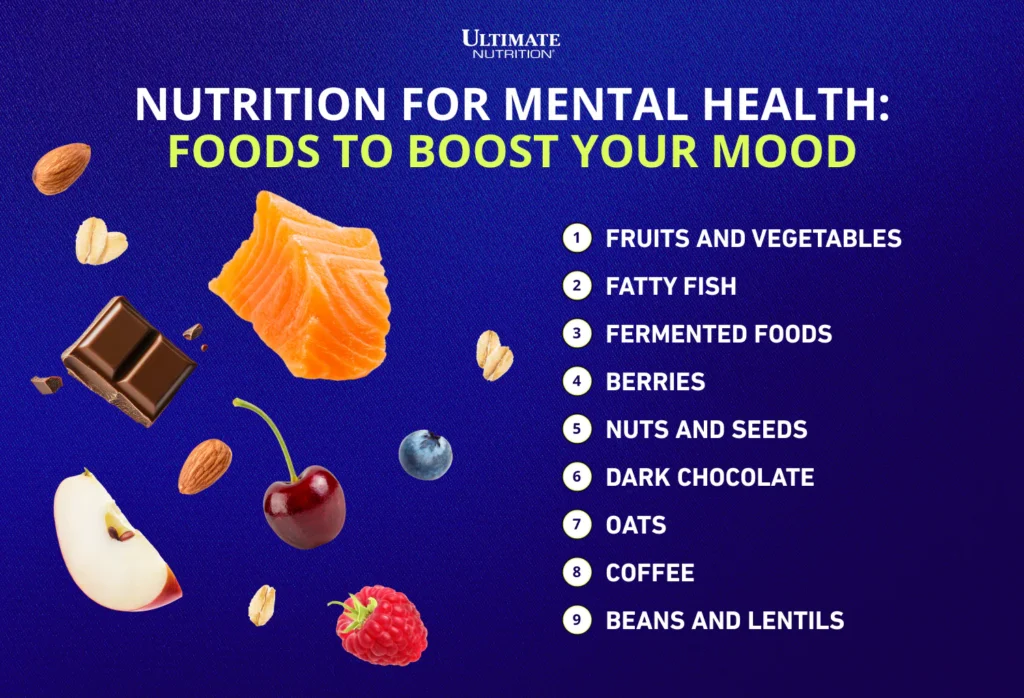
Food impacts the brain as much as the body. Nutrients like omega-3 fatty acids, vitamins B6 and B12, magnesium, and antioxidants support brain health.
Practical tips:
- Eat leafy greens, nuts, and seeds
- Include fatty fish like salmon or sardines
- Limit processed foods and sugary snacks
- Stay hydrated
Example: Starting your day with oatmeal, berries, and nuts boosts energy and mood for hours.
4. Physical Activity
Exercise is a natural mood booster. Physical activity releases endorphins, reduces stress, and improves sleep quality.
Tips:
- Walk, jog, cycle, or dance for 30 minutes a day
- Practice yoga or stretching to calm the mind
- Try team sports or group exercises for social connection
Think of exercise as mental maintenance—keeping the mind sharp, flexible, and energized.
5. Sleep and Mental Recovery
Sleep is essential for mental recovery and emotional balance. Poor sleep affects memory, concentration, and mood regulation.
Recommendations:
- Adults need 7–9 hours of sleep
- Maintain a consistent sleep schedule
- Avoid screens at least 1 hour before bed
Pros: Enhances focus, mood, and stress management
Cons: Sleep deprivation increases anxiety and cognitive problems
6. Stress Management Techniques
Stress is unavoidable, but chronic stress harms mental and physical health. Healthy coping strategies are crucial.
Techniques:
- Deep breathing exercises
- Mindfulness meditation
- Journaling thoughts and emotions
- Taking regular breaks from work or study
Analogy: Stress is like pressure in a steam cooker. Release it safely, or it can cause damage.
7. Building Emotional Resilience
Resilience helps you bounce back from challenges. It is developed over time through habits, mindset, and support systems.
Practical tips:
- Practice gratitude daily
- Focus on what you can control
- Develop problem-solving skills
- Surround yourself with supportive people
Expert Insight: Resilient people recover faster from setbacks and maintain better mental health long term.
8. Social Connections and Support
Humans are social beings. Healthy relationships provide emotional support, reduce loneliness, and enhance mental wellbeing.
Tips:
- Maintain regular contact with friends and family
- Join groups or communities with shared interests
- Seek professional counseling when needed
Pros: Emotional support strengthens coping abilities
Cons: Toxic relationships can worsen stress and anxiety
9. Mindful Technology Use
Technology can help or harm mental health. Excessive screen time, social media comparison, and constant notifications increase stress and anxiety.
Tips:
- Set daily screen time limits
- Take social media breaks
- Use apps that promote relaxation and mindfulness
Balance is key to ensuring technology supports mental wellbeing instead of undermining it.
10. Early Warning Signs of Mental Strain

Recognizing early signs prevents long-term mental health issues:
- Persistent sadness or irritability
- Loss of interest in hobbies
- Difficulty concentrating or making decisions
- Changes in sleep or appetite
- Feeling overwhelmed easily
Tip: Seek help immediately if symptoms persist for more than two weeks.
11. Pros and Cons
Pros:
- Increased emotional stability
- Better physical health
- Stronger relationships
- Improved productivity and focus
Cons:
- Requires time, effort, and consistent practice
- May involve confronting uncomfortable feelings
The benefits always outweigh the challenges for a happier, balanced life.
12. Expert Advice and Maintenance
Psychologists and mental health professionals emphasize:
- Consistent daily habits matter more than occasional efforts
- Preventive care like therapy and counseling is effective
- Lifestyle changes in nutrition, sleep, exercise, and stress management protect the mind
Mental health is not a luxury; it is a necessity.
13. Daily Habits
- Eat brain-friendly foods
- Exercise regularly
- Sleep consistently
- Practice mindfulness and relaxation
- Maintain social connections
- Limit technology overuse
- Monitor your thoughts and emotions
These small habits compound into long-term mental wellbeing.
14. Final Thoughts
Your mind is your most valuable asset. Treat it with care, attention, and respect. A healthy mind enhances every part of life relationships, productivity, and happiness.
Start caring for your mental health today.