
Have you ever thought about your kidneys today? Most people do not. Kidneys work quietly in the background, filtering blood day and night. When they are healthy, you feel fine. When they are damaged, the effects can change your life.
It is not just a medical topic. It is a daily lifestyle issue. The good news is that small habits can protect your kidneys for years to come.
1. What Do the Kidneys Do
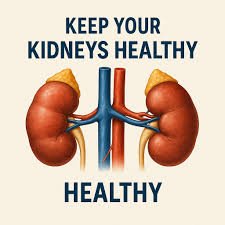
Your kidneys are two bean shaped organs that clean your blood. They remove waste, balance fluids, control blood pressure, and support strong bones.
Think of your kidneys like water filters in your home. If filters stay clean, water flows smoothly. If filters clog, everything backs up.
Healthy organs mean clean blood, stable energy, and balanced body systems.
2. Why Kidney Health Matters
It disease often develops slowly and silently. Many people do not notice problems until serious damage occurs.
Poor kidney health can lead to fatigue, swelling, high blood pressure, anemia, and heart disease. In severe cases, dialysis or transplant becomes necessary.
Protecting your early is easier than treating kidney failure later.
Pros: Prevents serious illness and medical costs
Cons: Requires long term habit changes
3. Common Causes of Damage
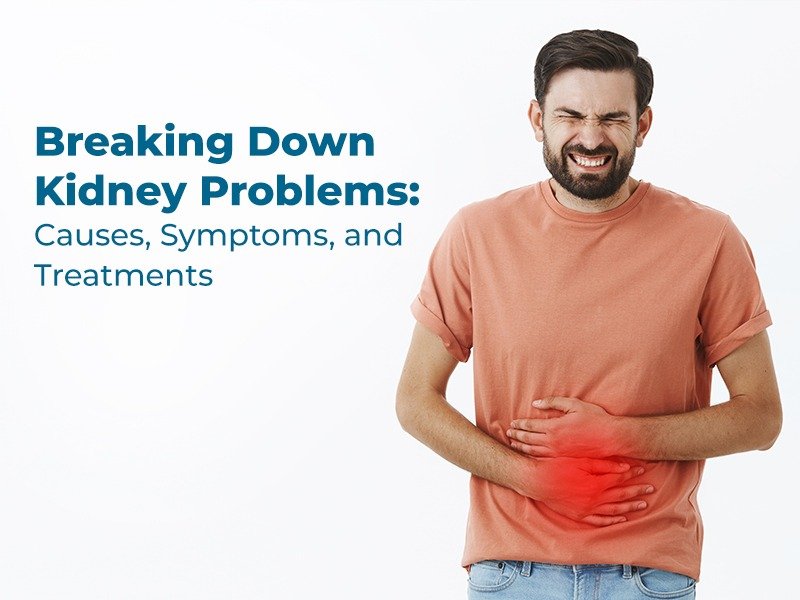
Several everyday factors can harm health over time.
High blood pressure
Diabetes
Excess salt intake
Dehydration
Long term painkiller use
Smoking
These factors slowly strain the kidneys, much like overworking a machine without rest.
Understanding these risks helps you avoid them.
4. Nutrition and Health
Food choices directly affect it function. A kidney friendly diet reduces stress on these organs.
Focus on fresh foods like vegetables, fruits, whole grains, and lean protein. Limit processed foods high in salt and additives.
Practical tips:
Cook more meals at home
Taste food before adding salt
Choose water over sugary drinks
Example: Grilled fish with vegetables is kinder to kidneys than fried fast food.
5. Hydration and Its Role
Water helps the body flush out toxins. Without enough fluids, waste builds up in the blood.
Most people do not drink enough water daily. Thirst is often mistaken for hunger.
Expert insight: Doctors recommend steady hydration throughout the day rather than large amounts at once.
Clear or light yellow urine is a good sign of proper hydration.
6. Blood Pressure and Protection
High blood pressure damages kidney blood vessels. Over time, They lose their filtering ability.
Managing blood pressure through diet, exercise, stress control, and medication if needed protects health.
Regular blood pressure checks help catch problems early.
7. Diabetes and Health
Diabetes is one of the leading causes of kidney disease. High blood sugar damages filters slowly.
Good blood sugar control protects and prevents complications.
Practical example: Monitoring glucose levels and choosing low sugar foods can significantly reduce risk.
8. Physical Activity and Function
Exercise improves circulation and reduces risk factors like obesity and high blood pressure.
You do not need intense workouts. Walking, stretching, and light strength exercises support kidney health.
Think of movement as gentle maintenance that keeps systems running smoothly.
Pros: Improves overall health
Cons: Overexertion without guidance can cause injury
9. Medications and Safety
Some medications can harm if used incorrectly. Painkillers taken often and without medical advice increase risk.
Always follow dosage instructions and consult a healthcare provider before long term use.
Natural does not always mean safe. Even herbal supplements can affect.
10. Warning Signs of Problems
It is disease can be silent, but some signs may appear.
Swelling in feet or face
Fatigue
Changes in urination
Foamy urine
Back pain near kidneys
If you notice these symptoms, seek medical advice early.
Early detection saves kidney function.
11. Pros and Cons of Focusing on Kidney Health
Pros:
Lower disease risk
Better energy levels
Reduced medical expenses
Longer life expectancy
Cons:
Requires dietary discipline
Needs regular health monitoring
Lifestyle changes take time
Despite challenges, It protection offers lifelong benefits.
12. Expert Advice on Kidney Health
Health professionals emphasize prevention. Annual it tests, especially for people with diabetes or hypertension, are strongly recommended.
Simple blood and urine tests can detect damage early.
Experts agree that lifestyle changes are the most powerful protection tools.
13. Daily Habits for Healthy
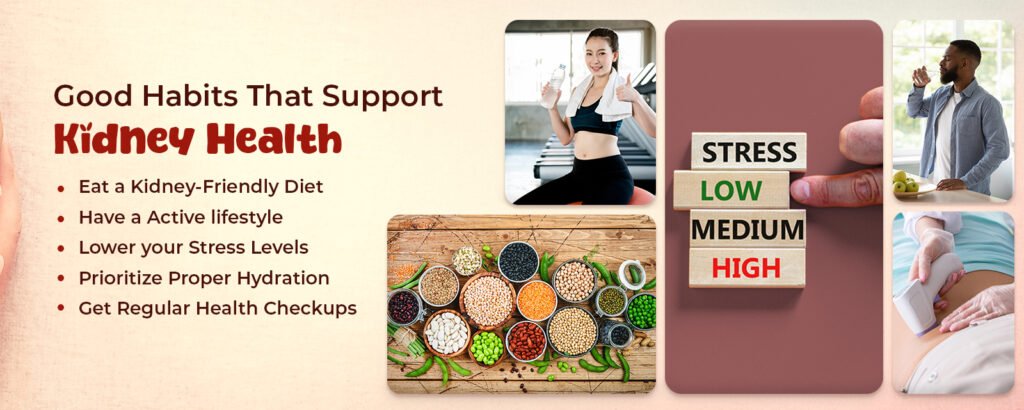
Drink water regularly
Limit salt intake
Eat balanced meals
Stay physically active
Manage stress
Avoid smoking
Get regular checkups
These habits form a strong protection plan.
14. Final Thoughts
Your organs work silently every second to keep you alive. They deserve daily care, not emergency attention.
Small changes today protect your wellbeing tomorrow. Do not wait for symptoms to appear.
Healthy organs support a healthy life.
Protect now.